CrossRelay scientific resources

Insights, literature and documentation

Research insights, functional evidence and practical considerations for APC and T cell studies.

Explore the biology

Illustrated insights

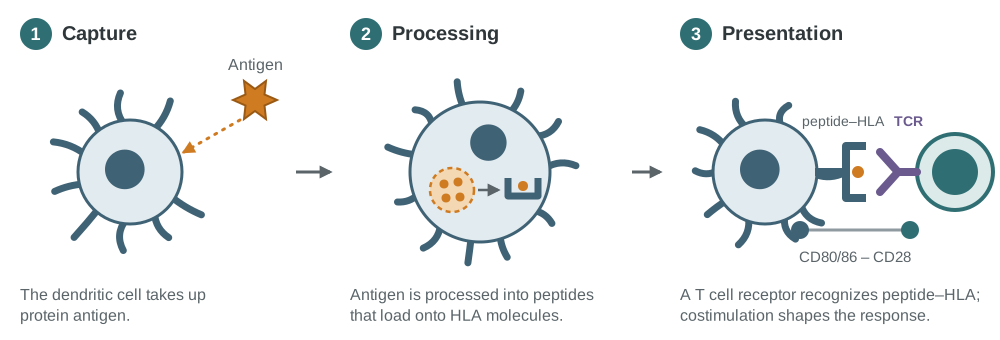
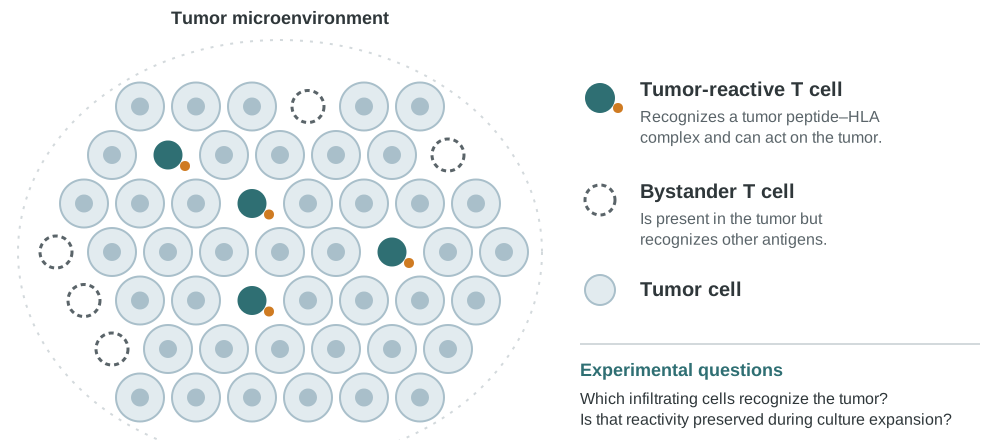
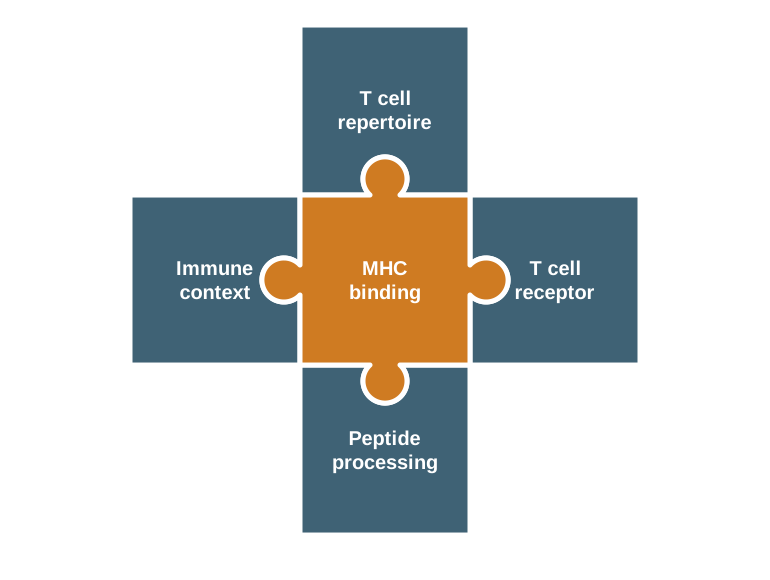
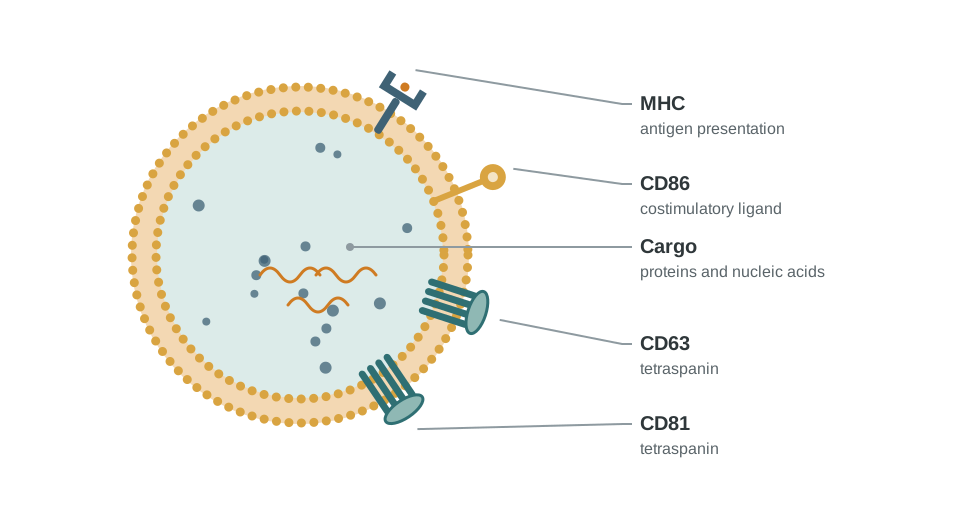
Each insight links a mechanism, from antigen presentation to functional validation, to an experimental question.

Research insights

Explore antigen validation, immune communication, cell banking and T cell biology through experimental questions and selected literature.

Antigen discoveryResearch perspective

KRAS & antigen presentation

Separate intracellular antigen processing, HLA context and endogenous target recognition, then test breadth and repeated challenge.

Read article

Primary literature behind the insights

Studies that frame antigen selection, TIL, DC-based and NK cell experiments. Findings are as reported by each study, in its own patients and conditions. They do not describe eDC performance.

TopicStudyReported findingSource
Antigen selectionWells DK et al. Cell. 2020;183:818–834 (TESLA)37 of 608 candidates prioritized by prediction (6%) were recognized by T cells. Binding affinity, tumor abundance and binding stability together improved prediction.View ›
Antigen selectionParkhurst MR et al. Cancer Discov. 2019;9:1022–1035In 75 patients with gastrointestinal cancers, 1.6% of mutated gene products were recognized by autologous TIL, and neoantigen-reactive TIL were found in 62 of 75 patients.View ›
TILDuhen T et al. Nat Commun. 2018;9:2724CD39 and CD103 co-expression identifies tumor-reactive CD8 T cells in human solid tumors.View ›
TILRohaan MW et al. N Engl J Med. 2022;387:2113–2125Randomized phase 3, 168 patients with melanoma: median progression-free survival 7.2 versus 3.1 months with ipilimumab (HR 0.50).View ›
TILSarnaik AA et al. J Clin Oncol. 2021;39:2656–2666Phase 2 lifileucel study, 66 patients after checkpoint inhibitor therapy: objective response rate 36% (95% CI 25–49) with a centrally manufactured 22-day process.View ›
DC-based therapyKantoff PW et al. N Engl J Med. 2010;363:411–422Randomized phase 3 of sipuleucel-T, an autologous product containing antigen-presenting cells, 512 patients with prostate cancer: median overall survival 25.8 versus 21.7 months (HR 0.78).View ›
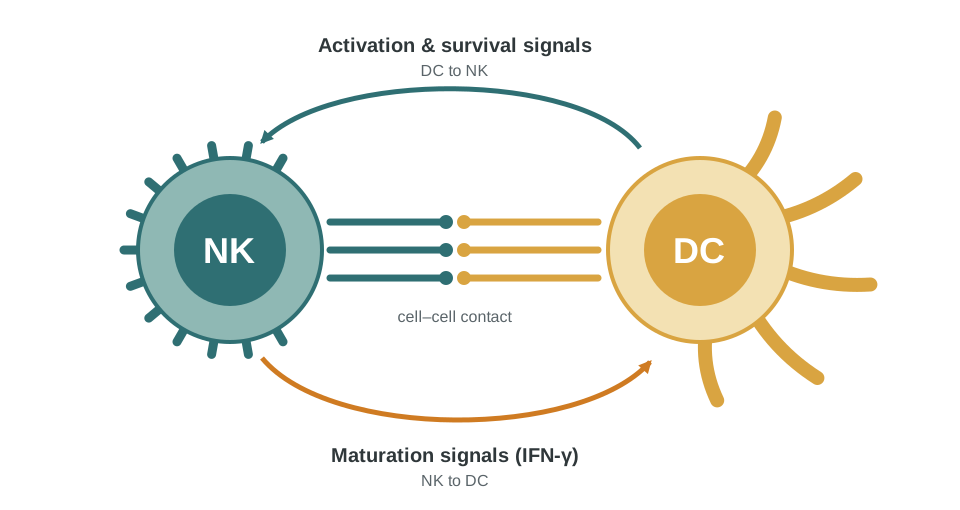
NK cell signalsDubois S et al. Immunity. 2002;17:537–547IL-15 is presented in trans by IL-15Rα on activated monocytes to cells that express only IL-2/15Rβ and the common γ chain.View ›
NK cell signalsFujisaki H et al. Cancer Res. 2009;69:4010–4017K562 cells expressing membrane-bound IL-15 and 4-1BBL expanded NK cells by a median of 21.6-fold at 7 days (n = 50).View ›
NK cell signalsRomee R et al. Sci Transl Med. 2016;8:357ra123IL-12, IL-15 and IL-18 pre-activation gave memory-like NK cells; phase 1 in AML, 5 of 9 evaluable patients responded.View ›

Antigen selection rates differ because the denominators differ: TESLA counted prioritized peptides, Parkhurst counted mutated gene products.

eDC science & functional evidence

Explore the APC–T cell relationship and original hTERT and MAGEA3 research figures with their experimental context.

Product documentation

Document categoryCovers
Product informationSpecifications and configuration details for each line
Culture & handlingApproved instructions for the product
Characterization & QCApplicable antigen/HLA, functional and quality documentation

Ask scientific support about documentation for a specific product

Selected publications

PNAS · 2018

Induction of antitumor cytotoxic lymphocytes using engineered human primary blood dendritic cells

Wu L, Zhang H, Jiang Y, Gallo RC, Cheng H. 115(19):E4453–E4462. DOI: 10.1073/pnas.1800550115.

View publication
Cancer Immunology, Immunotherapy · 2025

Cytotoxic lymphocytes induced by engineered human dendritic cells mediate potent anti-leukemia activity

Zhao C et al. 74:117. DOI: 10.1007/s00262-025-03971-y.

View publication

Selected publications provide scientific context. Consult the documentation for the specific eDC configuration when assessing product suitability.

Scientific support

Discuss antigen and HLA requirements, functional comparisons and custom engineering scope.

Explore scientific support